Introduction: Why Forex Trading in Kenya?
Forex trading has become one of the most accessible and potentially lucrative opportunities for Kenyans looking to build wealth through financial markets. With the rise of online trading platforms, mobile money integration through M-PESA, and a growing community of successful traders, learning how to start forex trading in Kenya has never been easier—or more important.
Kenya's strategic position in the East African time zone gives traders a unique advantage. The Kenyan shilling's correlation with major currencies, combined with the country's robust internet infrastructure and mobile-first economy, creates an ideal environment for forex trading. Whether you're looking to generate supplementary income or build a full-time trading career, the forex market offers opportunities for dedicated learners.

However, success in forex trading doesn't come overnight. It requires proper education, disciplined risk management, and the right mindset. That's where a reputable forex academy in Kenya becomes invaluable. In this comprehensive guide, we'll walk you through everything you need to know to start your forex trading journey the right way.
What is Forex Trading?
Forex (foreign exchange) trading is the process of buying and selling currencies on the global foreign exchange market. It's the largest and most liquid financial market in the world, with over $7.5 trillion traded daily. Unlike stock markets that operate in specific locations and hours, the forex market runs 24 hours a day, five days a week, across major financial centers worldwide.
💡 Key Concept
In forex trading, currencies are always traded in pairs. When you buy one currency, you're simultaneously selling another. For example, when you trade EUR/USD, you're buying Euros while selling US Dollars. Your profit or loss depends on how the exchange rate between these two currencies moves.
The forex market operates through a network of banks, brokers, and traders worldwide. As a retail trader in Kenya, you'll access this market through a forex broker who provides you with a trading platform. Your broker acts as an intermediary, executing your trades on the global market.
Why Kenyans Are Turning to Forex Trading
Several factors have contributed to the growing popularity of forex trading in Kenya:
- Accessibility: With just a smartphone and internet connection, you can trade from anywhere in Kenya
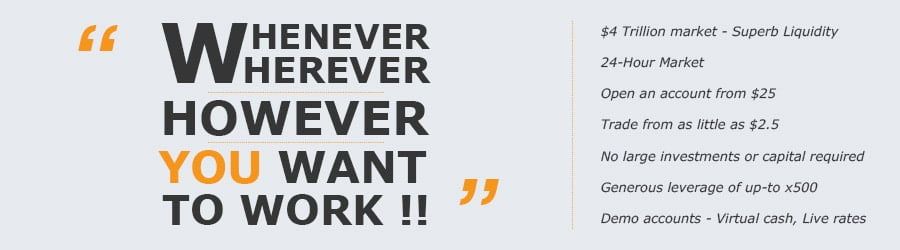
- Low Capital Requirements: Many brokers allow you to start with as little as $100
- Flexible Hours: Trade around your schedule, whether you're employed or studying
- Potential Returns: With proper risk management, forex trading can generate significant income
- M-PESA Integration: Easy deposits and withdrawals through mobile money
Getting Started: Step-by-Step Guide
Starting your forex trading journey can feel overwhelming, but breaking it down into clear steps makes the process manageable. Here's your roadmap to becoming a forex trader in Kenya:
Educate Yourself
Before risking any money, invest time in learning forex fundamentals. Understand currency pairs, pips, lots, leverage, and basic trading strategies. A quality forex academy in Kenya will provide structured education.
Choose a Regulated Broker
Select a broker regulated by the Capital Markets Authority (CMA) or reputable international regulators. Look for low spreads, reliable execution, and M-PESA integration for easy funding.
Open a Demo Account
Practice trading with virtual money before risking real capital. Most brokers offer free demo accounts. Use this time to test strategies and build confidence without financial risk.
Develop a Trading Plan
Create a written trading plan that outlines your strategy, risk management rules, entry and exit criteria, and trading schedule. This document will keep you disciplined and focused.
Start with Small Capital
When you're ready to trade with real money, start small. Many successful Kenyan traders begin with $100-$500. Focus on learning and consistency rather than large profits initially.
Keep a Trading Journal
Document every trade you take, including your reasoning, emotions, and outcomes. Review your journal regularly to identify patterns and improve your strategy.
⚠️ Important Warning
Never trade with money you can't afford to lose. Forex trading involves significant risk, and most beginner traders lose money initially. Proper education and risk management are essential to long-term success. Consider starting with a reputable forex academy in Kenya to build a solid foundation.
Choosing the Right Forex Academy in Kenya
One of the most important decisions you'll make is choosing where to learn forex trading. With numerous options available, it's crucial to select a forex academy in Kenya that provides comprehensive education, proven results, and ongoing support.
What to Look For in a Forex Academy
Not all forex academies are created equal. Here are the key factors to consider when evaluating a forex academy in Kenya:
- Track Record: Look for academies with verified student success stories and transparent performance metrics
- Experienced Instructors: Ensure mentors are active traders with proven track records, not just educators
- Comprehensive Curriculum: The program should cover everything from basics to advanced strategies
- Live Trading Sessions: Real-time market analysis and trade execution guidance
- Ongoing Support: Access to mentors and community after course completion
- Risk Management Focus: Emphasis on protecting capital and managing risk

Red Flags to Avoid
Be wary of forex academies that exhibit these warning signs:
- Guarantees of specific profits or "get rich quick" promises
- Lack of transparent instructor credentials and trading history
- No focus on risk management and capital preservation
- Pressure to upgrade to expensive "advanced" courses immediately
- No verifiable student testimonials or success stories
- Unregulated or offshore broker recommendations
✅ Kenya Forex Firm: A Trusted Choice
With over 5,000 students trained since 2008 and KES 480M+ in verified student payouts, Kenya Forex Firm has established itself as a leading forex academy in Kenya. Our comprehensive curriculum, experienced mentors, and focus on risk management have helped hundreds of Kenyan traders achieve consistent profitability.
Essential Tools and Platforms
To succeed in forex trading, you'll need the right tools and platforms. Here are the essentials every Kenyan trader should have:
Trading Platform
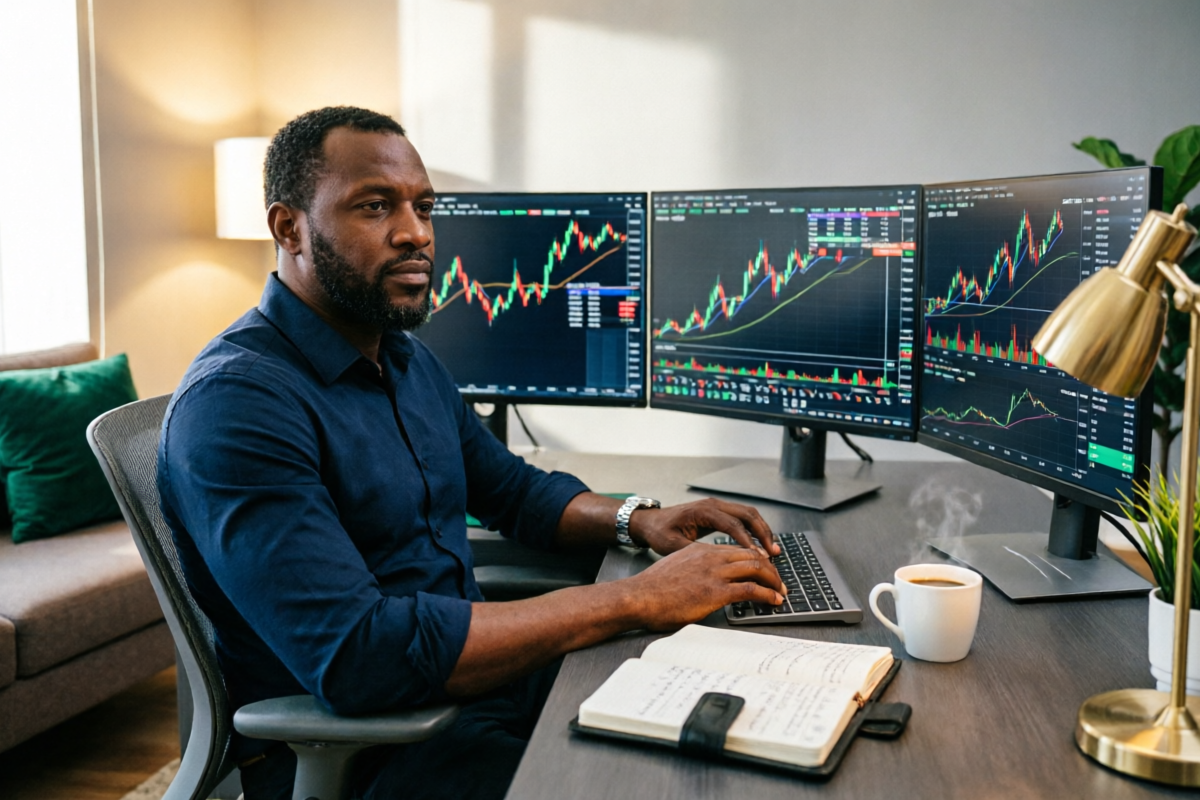
MetaTrader 5 (MT5) is the most popular platform among Kenyan traders. It offers advanced charting, automated trading, and mobile access.
Charting Software
TradingView provides professional-grade charts with technical indicators, drawing tools, and social features for idea sharing.
Economic Calendar
Stay informed about economic events that impact currency markets. Forex Factory and Investing.com offer free economic calendars.
Trading Journal
Document your trades, analyze performance, and track progress. Tools like Edgewonk or simple spreadsheets work well.
Position Size Calculator
Calculate proper lot sizes based on your account balance and risk percentage. Essential for risk management.
Mobile Trading App
Monitor markets and manage trades on the go. Most brokers offer mobile apps for iOS and Android devices.
Risk Management Fundamentals
Risk management is the single most important skill in forex trading. Without proper risk management, even the best trading strategy will eventually lead to account blowup. Here are the fundamental principles every Kenyan trader must master:
The 1% Rule
Never risk more than 1-2% of your trading capital on a single trade. This means if you have a $1,000 account, your maximum risk per trade should be $10-$20. This rule protects you from catastrophic losses and allows you to survive losing streaks, which are inevitable in trading.
💡 Example
If you're trading EUR/USD with a $1,000 account and risking 1% ($10), and your stop loss is 50 pips away, you would trade 0.02 lots (2 micro lots). This ensures that if your stop loss is hit, you only lose $10, or 1% of your account.
Stop Loss Orders
Always use stop loss orders to limit your losses. A stop loss is an order that automatically closes your trade at a predetermined price level. Never move your stop loss further away from your entry price—this only increases your risk.
Risk-to-Reward Ratio
Aim for a minimum risk-to-reward ratio of 1:2. This means for every dollar you risk, you should aim to make at least two dollars. With a 1:2 ratio, you can be wrong 50% of the time and still be profitable.

Daily Loss Limits
Set a maximum daily loss limit, typically 3-5% of your account. If you hit this limit, stop trading for the day. This prevents emotional "revenge trading" after losses and protects your capital.
Common Mistakes to Avoid
Learning from others' mistakes can save you time and money. Here are the most common errors beginner forex traders in Kenya make:

1. Trading Without Education
Jumping into live trading without proper education is the fastest way to lose money. Invest time in learning from a reputable forex academy in Kenya before risking real capital.
2. Overleveraging
Using excessive leverage amplifies both profits and losses. Many beginners blow their accounts by overleveraging. Stick to conservative leverage ratios (1:10 to 1:30) until you're consistently profitable.
3. No Trading Plan
Trading without a plan is gambling. Develop a written trading plan that outlines your strategy, risk management rules, and trading schedule. Follow it religiously.
More Mistakes to Avoid
- Emotional Trading: Don't let fear or greed dictate your trading decisions. Stick to your plan and risk management rules.
- Overtrading: More trades don't equal more profits. Focus on quality setups rather than quantity.
- Ignoring News Events: Major economic announcements can cause extreme volatility. Know when high-impact news is scheduled.
- Not Using Stop Losses: Trading without stop losses is like driving without brakes. Always protect your capital.
- Chasing Losses: Don't try to "make back" losses by increasing position sizes. Accept losses as part of trading and move on.
- Expecting Quick Riches: Forex trading is a skill that takes time to develop. Be patient and focus on consistent, small gains.
Your Next Steps
Now that you understand how to start forex trading in Kenya, it's time to take action. Here's what you should do next:
- Commit to Education: Enroll in a comprehensive forex course. Kenya Forex Firm's Foundations Weekend (KES 3,000) is an excellent starting point for complete beginners.
- Open a Demo Account: Practice trading with virtual money. Most brokers offer free demo accounts. Spend at least 3-6 months practicing before going live.
- Develop Your Strategy: Work with mentors to develop a trading strategy that fits your personality, schedule, and risk tolerance.
- Start Small: When you're ready to trade with real money, start with an amount you can afford to lose. Focus on learning, not earning.
- Join a Community: Connect with other Kenyan traders. Join our private Telegram community to share insights and get support.
- Keep Learning: Forex trading is a lifelong learning journey. Stay updated with market news, continue refining your strategy, and never stop improving.
Ready to Start Your Forex Trading Journey?
Join 5,000+ successful Kenyan traders who've learned to trade forex with Kenya Forex Firm. Our comprehensive courses, experienced mentors, and supportive community will guide you every step of the way.
Book Your Free Strategy Call→Conclusion
Learning how to start forex trading in Kenya is a journey that requires dedication, proper education, and disciplined risk management. While the forex market offers significant opportunities for profit, it also carries substantial risks. The key to success is approaching trading as a serious business, not a get-rich-quick scheme.
By following the steps outlined in this guide, choosing a reputable forex academy in Kenya, and committing to continuous learning, you can build the skills and knowledge needed to become a successful forex trader. Remember, every successful trader started exactly where you are now—with the decision to learn and take action.
The forex market will always be there. Take your time, learn properly, and build a sustainable trading career. Your future self will thank you for the disciplined approach you take today.