

London Forex Trading Session: The Golden Hours for Kenyan Traders
The European trading session represents the pinnacle of forex trading activity, offering Kenyan traders the perfect combination of high liquidity, maximum volatility, and ideal timing. Running from 10:00 AM to 7:00 PM Kenya time, this session aligns perfectly with Kenyan afternoon and evening hours, making it the most accessible and profitable trading window for local traders.
Session Overview
The European session dominates global forex trading, accounting for approximately 43% of all daily forex transactions. With London serving as the world’s largest forex trading center, this session sets the tone for global currency movements and provides unparalleled trading opportunities.
Key Financial Centers
London (Global Forex Capital)
- Market Hours: 10:00 - 19:00 EAT
- Daily Volume: $2.7 trillion (43% of global volume)
- Currency Focus: GBP, EUR, USD pairs
- Key Features: Highest liquidity, tightest spreads, maximum volatility
Frankfurt (European Financial Hub)
- Market Hours: 10:00 - 19:00 EAT
- Currency Focus: EUR pairs, European crosses
- Key Features: ECB influence, German economic data impact
- Major Players: Deutsche Bank, Commerzbank, ECB
Zurich (Swiss Banking Center)
- Market Hours: 10:00 - 19:00 EAT
- Currency Focus: CHF pairs, safe-haven flows
- Key Features: Swiss National Bank influence, banking sector activity
- Characteristics: Conservative trading, quality execution
Perfect Timing for Kenyan Traders
Optimal Schedule Alignment
The European session offers ideal timing for Kenyan traders:
- 10:00 EAT: London market opens, perfect for afternoon trading
- 13:00-15:00 EAT: Peak European activity during lunch break
- 16:00-19:00 EAT: London-New York overlap, maximum volatility
- 19:00 EAT: Session close, evening wrap-up
Lifestyle Compatibility
Unlike other sessions, the European session perfectly fits Kenyan lifestyle:
Work-Life Balance
- No Sleep Disruption: Trading during natural waking hours
- Family Time: Evening trading allows family interaction
- Professional Compatibility: Can trade during lunch breaks or after work
- Weekend Preparation: Time to analyze and prepare strategies
Infrastructure Advantages
- Peak Internet Performance: Best connectivity during afternoon hours
- Full Broker Support: All customer service channels available
- Real-Time Analysis: Access to live market commentary and analysis
- Educational Opportunities: Webinars and training during session hours
Currency Pair Analysis
Tier 1: Major European Pairs
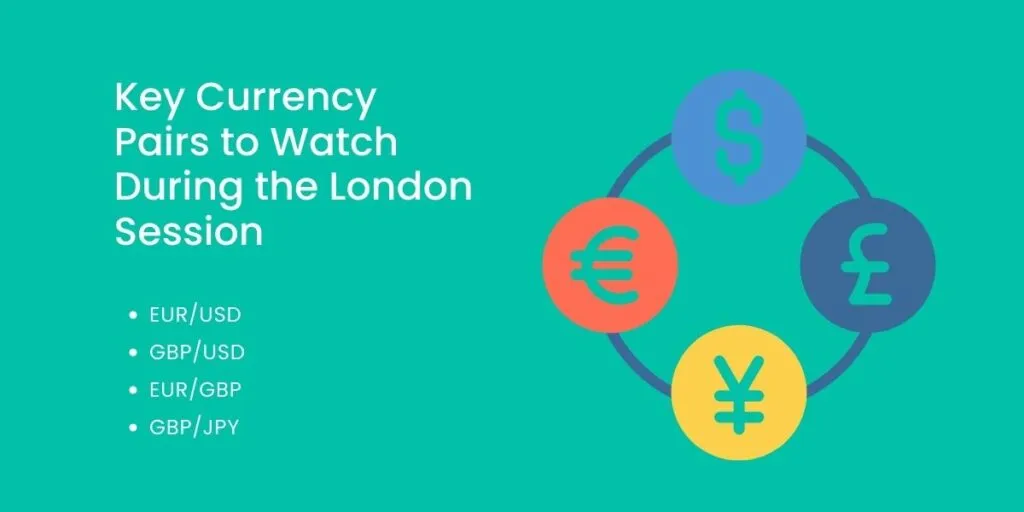
EUR/USD (The King of Forex)
- Average Daily Range: 80-120 pips
- Average Spread: 0.6 pips
- Peak Hours: 13:00-17:00 EAT
- Key Drivers: ECB policy, US economic data, risk sentiment
- Trading Characteristics: High liquidity, predictable patterns, excellent for all strategies
GBP/USD (The Cable)
- Average Daily Range: 100-150 pips
- Average Spread: 0.8 pips
- Peak Hours: 10:00-14:00 EAT (London morning)
- Key Drivers: BOE policy, UK economic data, Brexit developments
- Trading Characteristics: High volatility, trending behavior, news-sensitive
EUR/GBP (European Cross)
- Average Daily Range: 60-90 pips
- Average Spread: 0.9 pips
- Peak Hours: 11:00-15:00 EAT
- Key Drivers: Relative monetary policy, economic performance
- Trading Characteristics: Range-bound tendencies, technical patterns
Tier 2: Secondary European Pairs
USD/CHF (Swiss Franc)
- Average Daily Range: 70-100 pips
- Average Spread: 0.9 pips
- Key Features: Safe-haven flows, SNB intervention risk
- Best Strategy: Range trading, carry trades
EUR/CHF (European Cross)
- Average Daily Range: 50-80 pips
- Average Spread: 1.1 pips
- Key Features: SNB floor history, limited volatility
- Best Strategy: Range trading, mean reversion
Trading Strategies for European Session
1. London Breakout Strategy
Optimal Timing: 10:00-12:00 EAT
Implementation:
- Identify overnight consolidation ranges
- Place breakout orders above/below range boundaries
- Target 50-80 pip moves in direction of breakout
- Use 30-40 pip stop losses
Best Pairs: EUR/USD, GBP/USD, EUR/GBP Success Rate: 65-70% in trending markets
2. News Trading Strategy
Optimal Timing: Around major economic releases
Key Events to Trade:
- ECB Rate Decisions: 15:45 EAT (monthly)
- BOE Policy Meetings: 15:00 EAT (monthly)
- German IFO: 11:00 EAT (monthly)
- UK Employment: 12:30 EAT (monthly)
- Eurozone PMI: 12:00 EAT (monthly)
Implementation:
- Monitor economic calendar daily
- Prepare straddle orders before high-impact news
- Target 100+ pip moves on major surprises
- Use wide stops (50-80 pips) to avoid whipsaws
3. London-New York Overlap Strategy
Optimal Timing: 16:00-19:00 EAT
Characteristics:
- Highest volatility period of the day
- Maximum liquidity and tightest spreads
- Strong directional moves common
- Perfect for trend following and breakout strategies
Implementation:
- Focus on USD pairs during this period
- Use momentum indicators to identify direction
- Target larger moves (80-150 pips)
- Trail stops to maximize profits
4. Range Trading Strategy
Optimal Timing: During low-impact periods
Implementation:
- Identify established support/resistance levels
- Buy at support, sell at resistance
- Use oscillators (RSI, Stochastic) for timing
- Target 30-50 pip moves within ranges
Best Conditions: Quiet news days, summer months
Economic Events and Market Movers
Tier 1: Market-Moving Events
European Central Bank (ECB) Meetings
- Frequency: Monthly (usually Thursday)
- Time: 15:45 EAT (rate decision), 16:30 EAT (press conference)
- Impact: Extreme volatility in EUR pairs
- Average Move: 100-200 pips in EUR/USD
- Trading Strategy: Avoid trading 1 hour before/after, or use wide straddles
Bank of England (BOE) Meetings
- Frequency: Monthly (usually Thursday)
- Time: 15:00 EAT (rate decision), 15:30 EAT (minutes)
- Impact: High volatility in GBP pairs
- Average Move: 80-150 pips in GBP/USD
- Trading Strategy: Focus on GBP pairs, use momentum strategies
German Economic Data
- Key Releases: IFO Business Climate, ZEW Economic Sentiment, Industrial Production
- Typical Time: 11:00-12:00 EAT
- Impact: Moderate to high on EUR pairs
- Trading Strategy: Quick scalping opportunities, 30-60 pip targets
Tier 2: Significant Events
UK Economic Data
- Employment Data: Second Tuesday, 12:30 EAT
- Inflation (CPI): Mid-month, 12:30 EAT
- GDP Data: End of month, 12:30 EAT
- Impact: Moderate volatility in GBP pairs
Eurozone Economic Releases
- PMI Data: Beginning of month, 12:00 EAT
- Inflation (CPI): End of month, 13:00 EAT
- Employment Data: Beginning of month, 13:00 EAT
Risk Management During European Session
Volatility Management
Position Sizing Guidelines
- High-Impact News Days: Reduce position size by 50%
- Normal Trading Days: Standard 1-2% risk per trade
- Low Volatility Periods: Can increase to 2-3% risk
- Overlap Hours: Use smaller positions due to increased volatility
Stop Loss Strategies
- News Trading: 50-80 pip stops to avoid whipsaws
- Breakout Trading: 30-40 pip stops below breakout levels
- Range Trading: 20-30 pip stops outside range boundaries
- Trend Following: Use trailing stops, 40-60 pip initial stops
Technology and Execution Risks
Platform Reliability
- Peak Hours: Ensure platform stability during 16:00-19:00 EAT
- News Events: Platforms may slow during major releases
- Backup Plans: Have secondary platform access ready
- Mobile Trading: Keep mobile apps updated for emergency access
Internet Connectivity
- Peak Performance: Kenya’s internet is most stable during afternoon hours
- Backup Connection: Have mobile data as backup
- Speed Requirements: Minimum 25 Mbps for optimal execution
- Latency: Monitor ping times to broker servers
Seasonal Patterns and Market Behavior
Monthly Patterns
High-Activity Months
- January: New year positioning, high volatility
- February: Continued momentum from January
- September: Return from summer holidays, increased activity
- October: Quarter-end positioning, high volatility
Low-Activity Months
- July: Summer holidays begin, reduced volatility
- August: Peak holiday season, lowest activity
- December: Holiday season, reduced participation
Weekly Patterns
- Monday: Moderate activity, weekend gap analysis
- Tuesday-Thursday: Peak activity, major news releases
- Friday: Profit-taking, position squaring
Daily Patterns
- 10:00-12:00 EAT: London open, breakout opportunities
- 13:00-15:00 EAT: Steady activity, range trading
- 16:00-19:00 EAT: NY overlap, maximum volatility
Advanced Trading Techniques
Multi-Timeframe Analysis
- Daily Charts: Identify major trends and key levels
- 4-Hour Charts: Determine session bias and swing levels
- 1-Hour Charts: Time entries and exits
- 15-Minute Charts: Fine-tune entry points
Correlation Trading
- EUR/USD vs GBP/USD: Often move in same direction
- USD/CHF vs EUR/USD: Typically inverse correlation
- EUR/GBP: Independent of USD movements
- Risk-On/Risk-Off: Monitor equity markets for sentiment
Volume Analysis
- London Open: Expect volume surge at 10:00 EAT
- NY Overlap: Peak volume during 16:00-19:00 EAT
- News Events: Volume spikes during major releases
- End of Session: Volume typically decreases after 18:00 EAT
Technology Setup for European Session
Essential Tools
Trading Platform Features
- Real-Time Charts: Multiple timeframe analysis
- Economic Calendar: Integrated news feed
- Order Management: OCO, trailing stops, alerts
- Mobile Access: Full trading functionality on smartphones
Analysis Tools
- Technical Indicators: Moving averages, RSI, MACD, Bollinger Bands
- Drawing Tools: Support/resistance lines, trend channels
- Volume Indicators: Volume profile, on-balance volume
- News Integration: Real-time news feeds and analysis
Risk Management Tools
- Position Calculator: Automatic position sizing
- Risk/Reward Calculator: Trade planning tools
- Stop Loss Alerts: Automatic notifications
- Correlation Matrix: Monitor pair relationships
Recommended Broker Features
- Tight Spreads: Especially during European hours
- Fast Execution: Sub-second order processing
- No Requotes: Instant execution at displayed prices
- Full Support: Customer service during European hours
Advantages for Kenyan Traders
Timing Advantages
- Perfect Schedule Fit: Aligns with afternoon/evening hours
- No Sleep Disruption: Trade during natural waking hours
- Family Compatible: Evening trading allows family time
- Work Flexibility: Can trade during lunch breaks or after work
Market Advantages
- Highest Liquidity: Tightest spreads and best execution
- Maximum Volatility: Largest profit opportunities
- Predictable Patterns: Established market behaviors
- News Accessibility: Major events during active hours
Infrastructure Advantages
- Peak Internet: Best connectivity during afternoon hours
- Full Support: All broker services available
- Real-Time Analysis: Live market commentary and education
- Technology Reliability: Platforms most stable during these hours
Common Pitfalls and How to Avoid Them
Overtrading During High Volatility
- Problem: Excessive trading during NY overlap
- Solution: Limit trades to 2-3 high-probability setups
- Prevention: Set daily trade limits and stick to them
News Event Whipsaws
- Problem: Getting stopped out during news volatility
- Solution: Use wider stops or avoid trading around major news
- Prevention: Check economic calendar every morning
Chasing Breakouts
- Problem: Entering breakouts too late
- Solution: Use pending orders at key levels
- Prevention: Prepare breakout levels in advance
Ignoring Risk Management
- Problem: Risking too much during high-volatility periods
- Solution: Reduce position sizes during major events
- Prevention: Calculate risk before entering any trade
Best Practices for Success
Daily Routine
-
Morning Preparation (9:00-10:00 EAT):
- Check economic calendar for the day
- Analyze overnight price action
- Identify key support/resistance levels
- Plan potential trade setups
-
London Open (10:00-12:00 EAT):
- Monitor for breakout opportunities
- Execute planned trades
- Adjust stops to breakeven when possible
-
Midday Trading (12:00-16:00 EAT):
- Focus on news events and their aftermath
- Manage existing positions
- Look for range trading opportunities
-
NY Overlap (16:00-19:00 EAT):
- Capitalize on maximum volatility
- Trail stops on profitable positions
- Prepare for session close
-
Session Close (19:00 EAT):
- Review day’s performance
- Close or adjust overnight positions
- Plan for next day’s trading
Weekly Routine
- Sunday Evening: Analyze weekly charts and plan major levels
- Monday Morning: Review weekend news and gap analysis
- Wednesday: Mid-week performance review and adjustment
- Friday Evening: Weekly performance analysis and planning
Conclusion
The European trading session represents the golden opportunity for Kenyan forex traders, offering the perfect combination of timing, liquidity, and volatility. With proper preparation, risk management, and strategic execution, this session can provide consistent trading opportunities while maintaining a healthy work-life balance.
Key Success Factors
- Timing Mastery: Understand peak activity periods and plan accordingly
- Risk Management: Use appropriate position sizing and stop losses
- News Awareness: Stay informed about major economic events
- Technical Analysis: Master key levels and pattern recognition
- Emotional Control: Maintain discipline during high-volatility periods
Final Recommendations
- New Traders: Start with demo accounts during this session
- Experienced Traders: Focus on major pairs and news events
- Part-Time Traders: Concentrate on London open and NY overlap
- Full-Time Traders: Develop systematic approaches for consistent profits
The European session’s alignment with Kenyan afternoon and evening hours makes it the most accessible and potentially profitable trading window for local traders. By mastering the strategies, timing, and risk management techniques outlined in this guide, Kenyan traders can capitalize on the world’s most active forex trading session.
This analysis is for educational purposes only. Forex trading involves substantial risk and may not be suitable for all investors. Always use proper risk management and consider your personal circumstances before trading.